

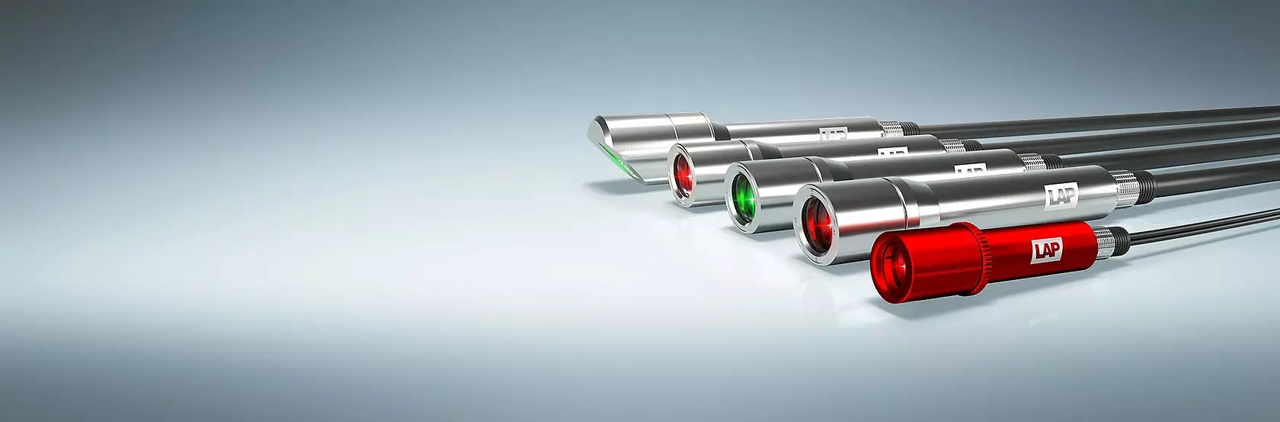
Line laser, point laser and cross laser for industrial applications
Optimize your workflow with laser positioning for alignment and placement tasks
LASER TYPES
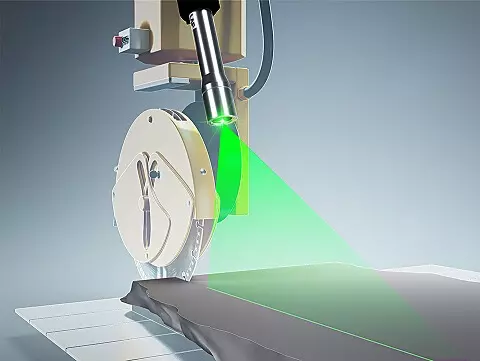
Line lasers
LAP industrial line lasers are used to show working lines or edges for alignment and positioning. They can be used to display lines where material has to be cut, folded, glued, welded or just positioned.
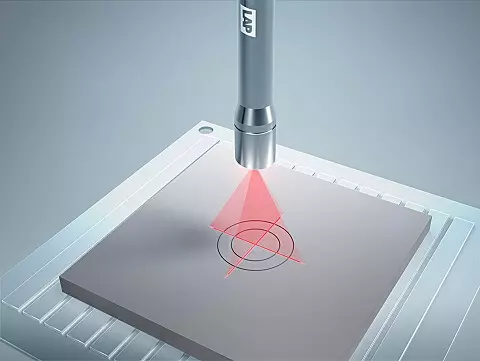
Crosshair lasers
LAP cross lasers show working points or right-angled stops. They mark the point where a tool will start working, or an angle for alignment in two directions, like the corner of an object.
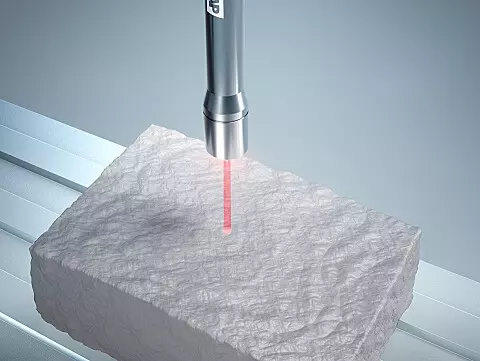
Point lasers
LAP industrial laser pointers are used to show working points or single coordinates for alignment and positioning. They show the point where a tool starts working, or they are fixed optical stops that define the position of a certain part or tool.
Which factors affect the projection ?
The geometry of the setup, the ambient conditions and the laser itself can each affect the size and visibility of the projected laser image.
We have provided some useful information below to help you decide which model and power rating are best for you.
Explore our compact microlearning videos to see LAP's positioning lasers in various environments.
Depending on the task, you can select one or several industrial points, lines or crosshair lasers.
Point lasers are best for single work points or origins of ordinates.
Line lasers show the path of a tool, such as cutting or bending lines.
A single crosshair laser is used to outlines corners. Two crosshairs serve as guides for placing rectangular objects like labels.
It is also possible to use a combination of these lasers. For complete outlines, polylines or organic shapes, please have a look at our laser projectors.
It is important to account for parallax error: If not projected exactly perpendicularly, the laser spot, line or crosshair may “move” as the distance to the laser changes.
Line, Cross or Point
Key figures
Application examples for positioning lasers
0.050 IP67 IK10 30000
mm/m laser line straightness waterproof impact resistance hours of service life
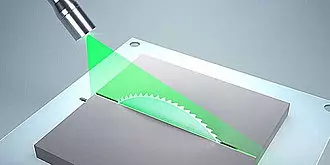
Cutting lines
Solutions for marking cutting lines or similar machining lines
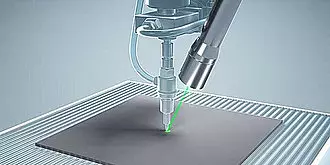
Coordinate origin
Solutions for marking the origin of machining ordinates
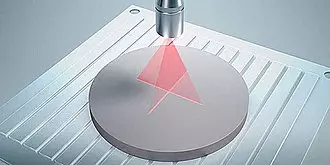
Processing points
Solutions for marking processing points
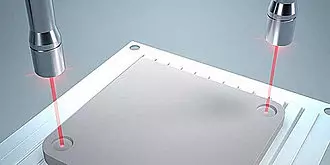
Positioning
Solutions for positioning workpieces
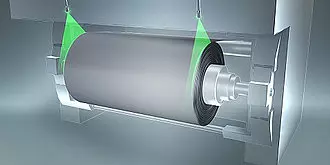
Material supply
Solutions for alignment of materials when feeding to processing machines
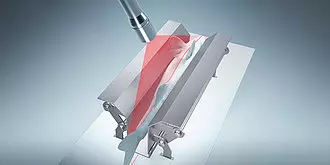
Alignment
Solutions for alignment and positioning in food production